|
|
|
|
|
|
|
|
|
|
|
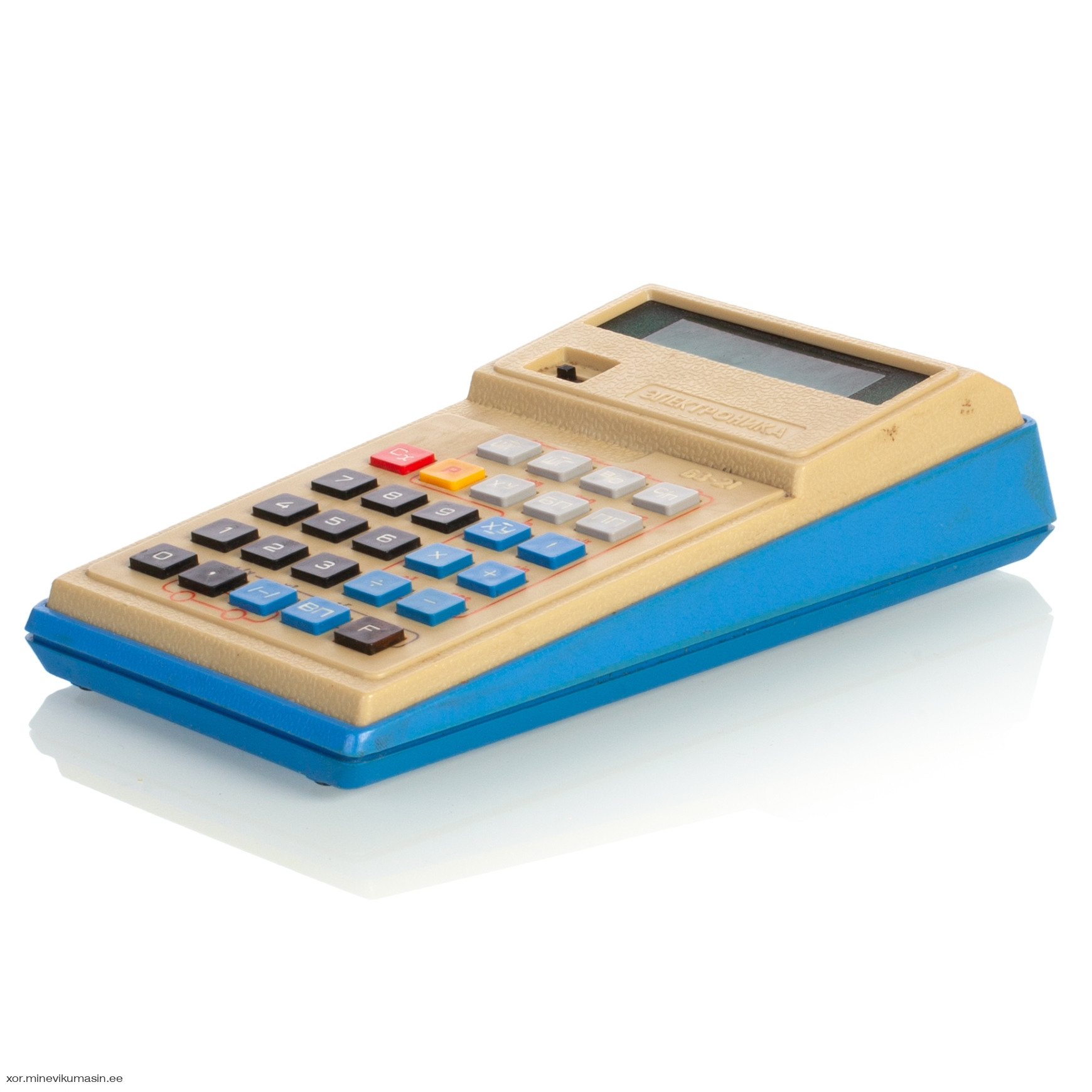
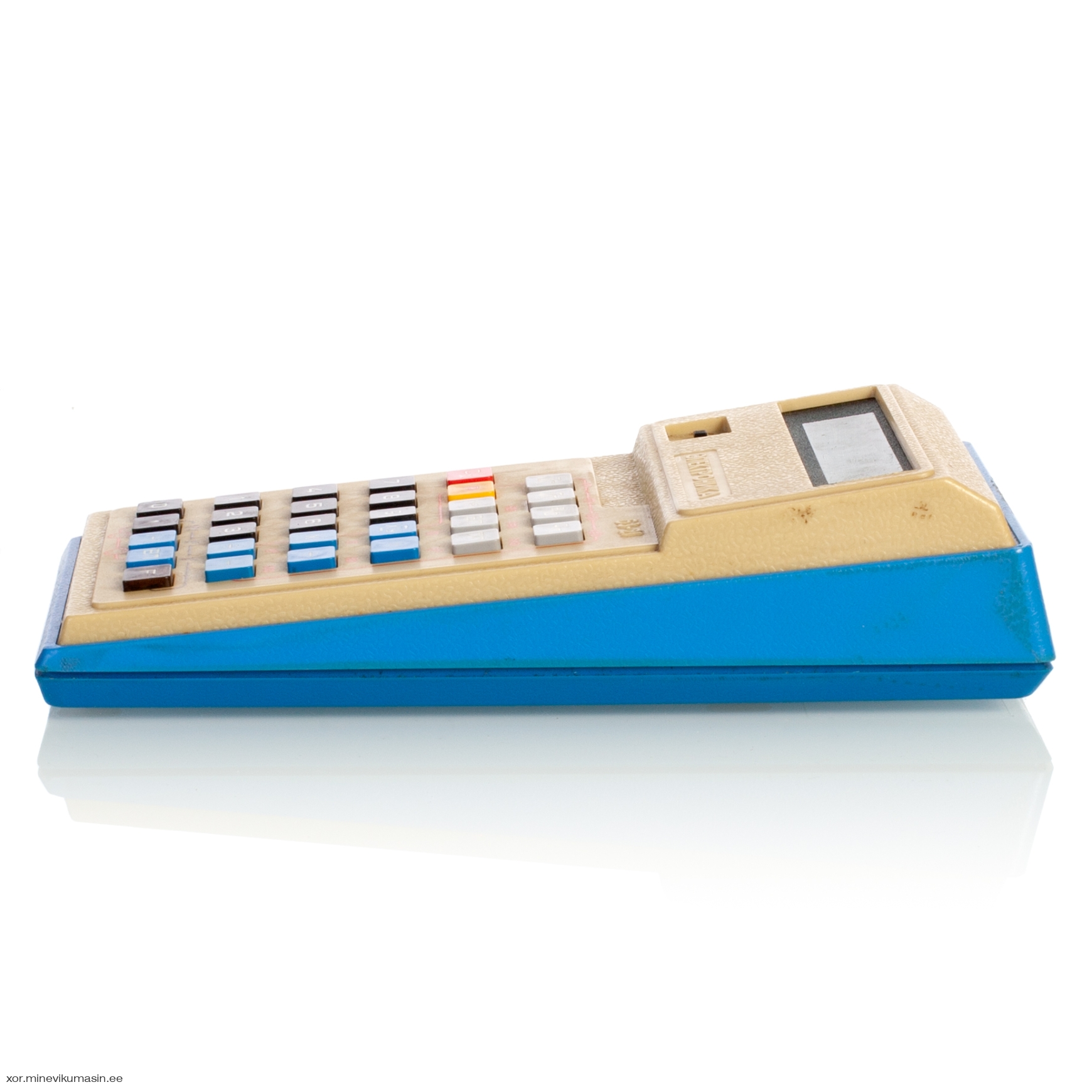
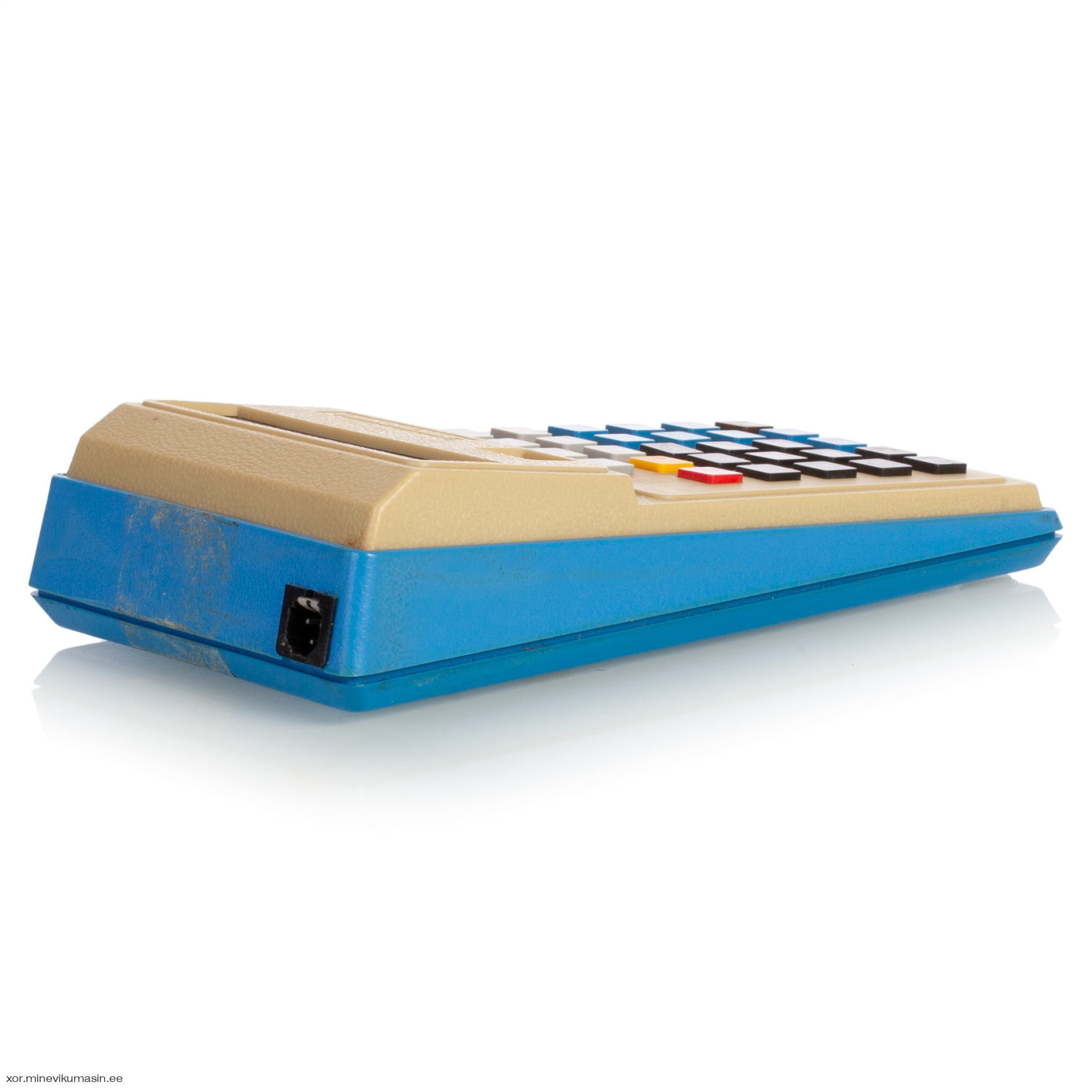
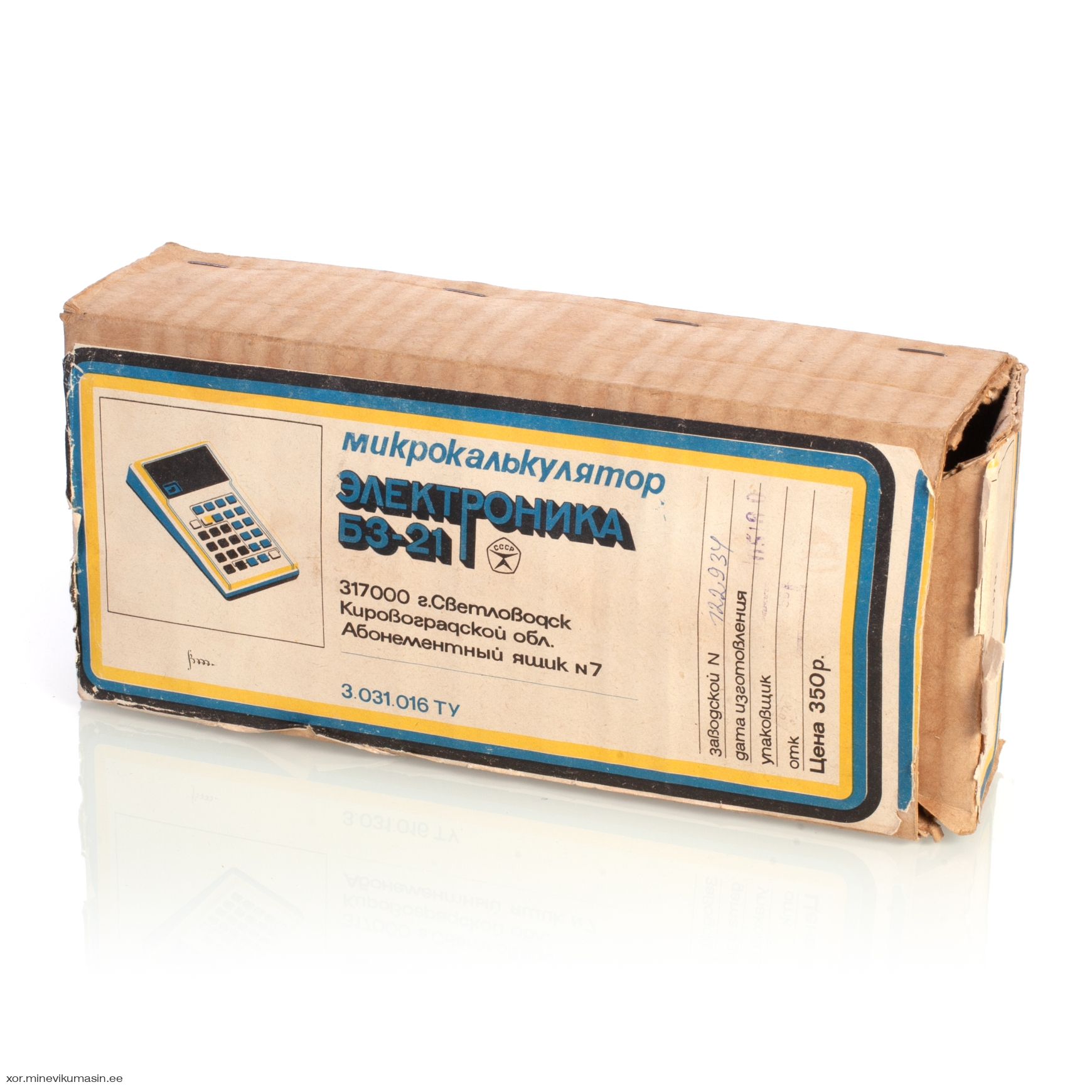
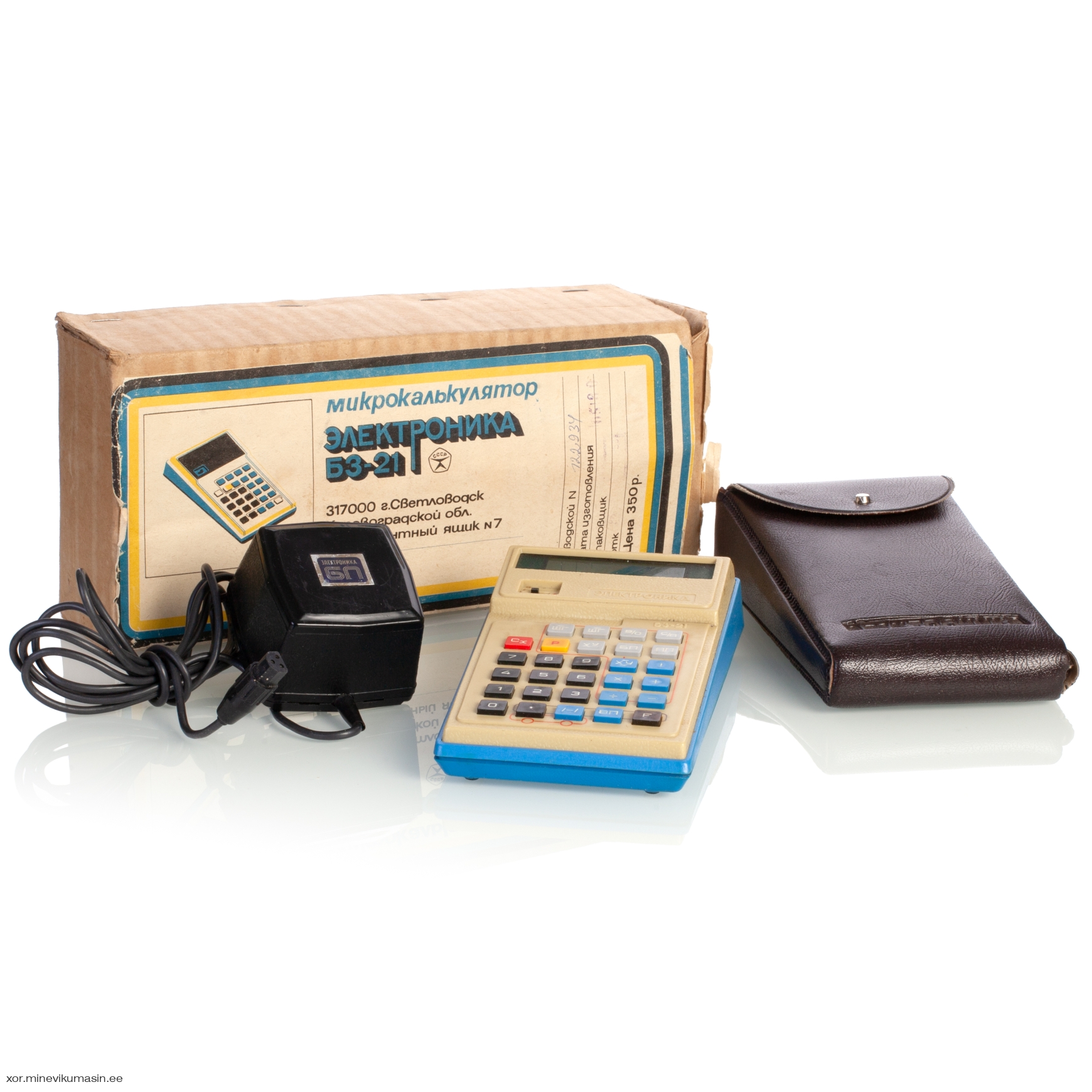
Электроника Б3-21 | ||||
|
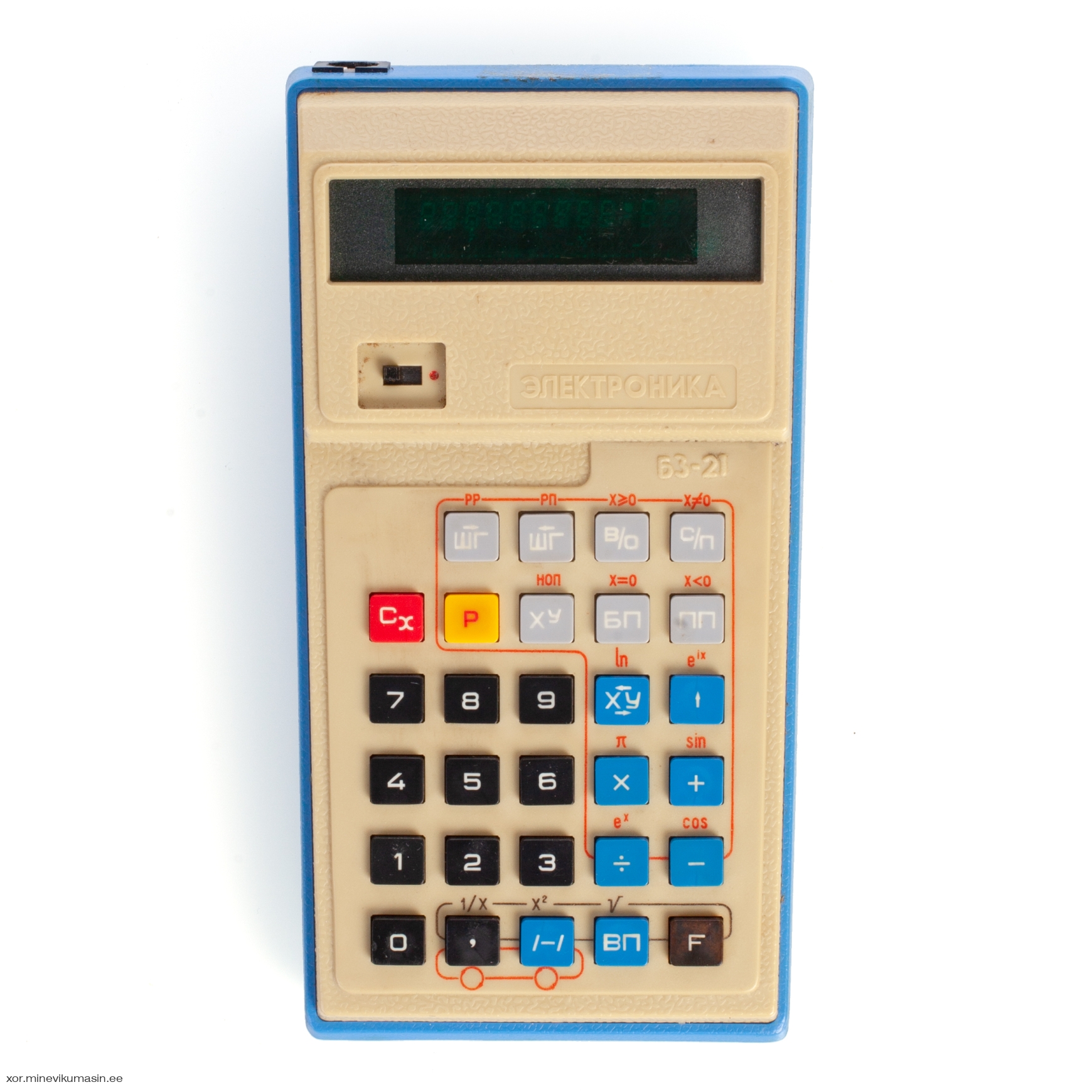
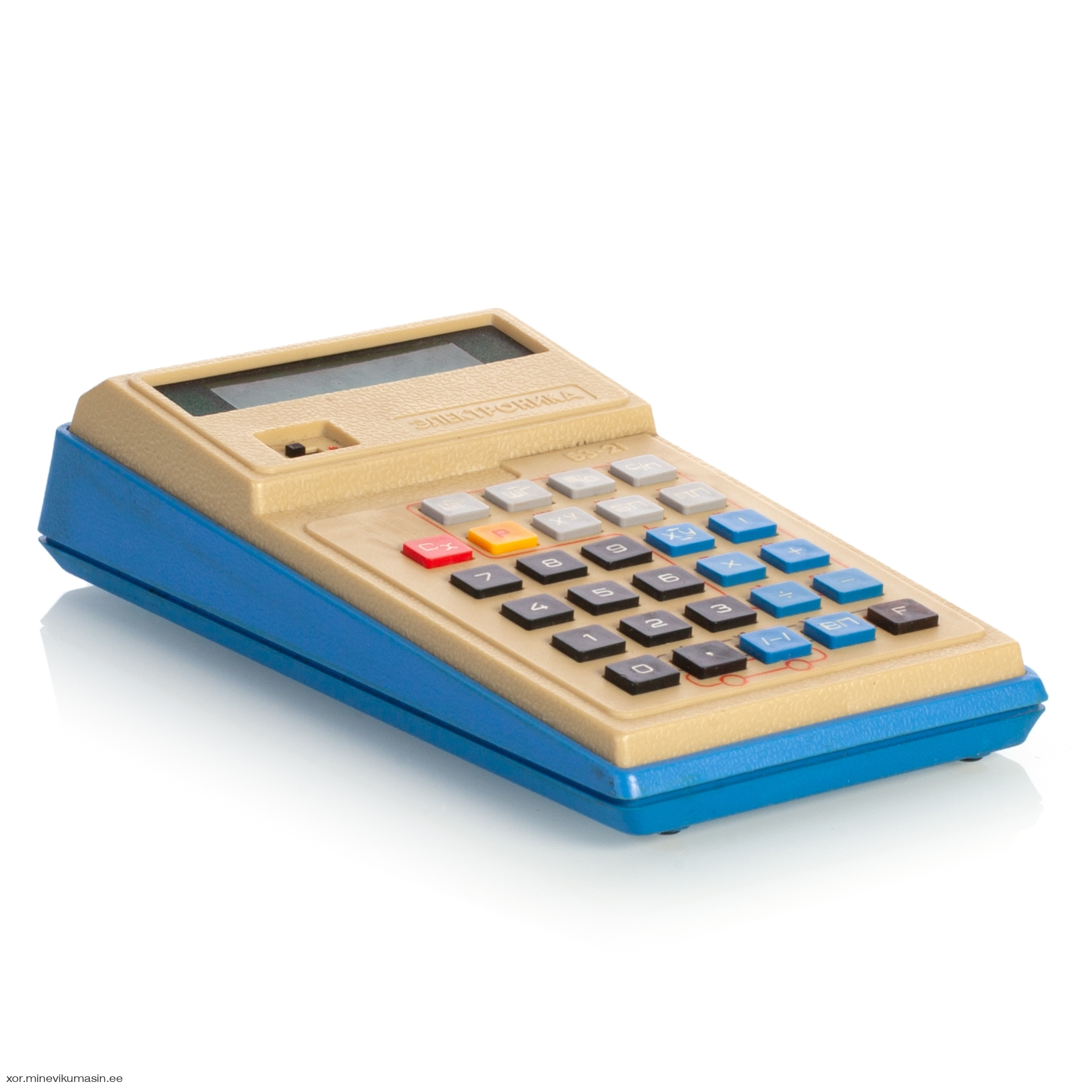
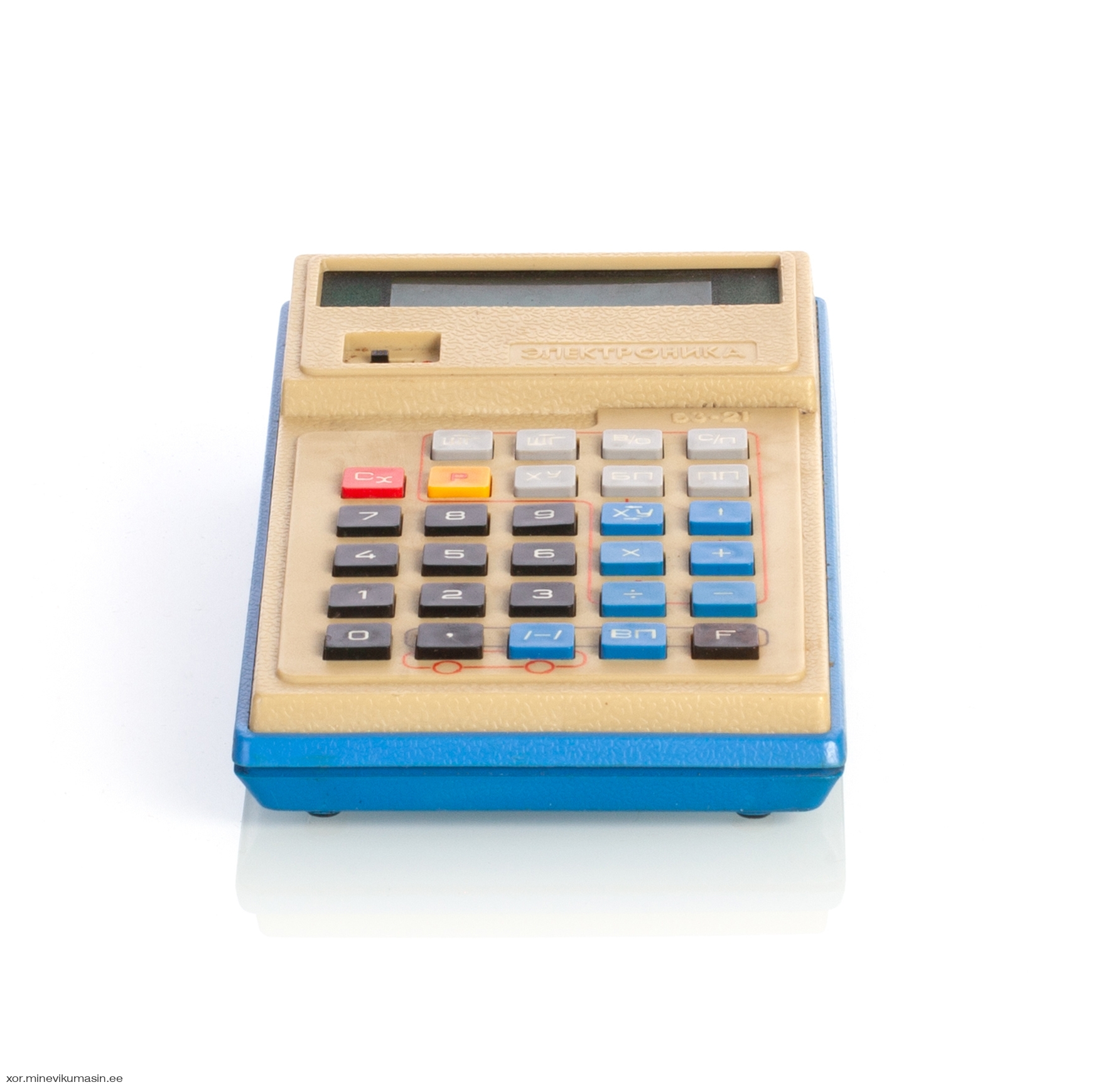
The Elektronika B3-21 was a scientific calculator manufactured between 1977-1982 in the USSR. It was the first Soviet programmable calculator with postfix notation (RPN). Developed in 1977 and commercially produced from 1978, it was designed for complex engineering and scientific calculations and was widely used in education, medicine, electronics, and space research. The calculator offered around 30 functions, including arithmetic, trigonometric, logarithmic, exponential, and power functions, as well as memory registers and a 60-step programmable memory. It had separate modes for working and programming, allowing users to store and execute calculation programs. Early models used red LED displays, later replaced by green vacuum-fluorescent displays. The B3-21 was powered by four AA batteries or an external power supply. Referred from elektronika.su The calculator displayed here was used at the Harju KEK construction department (Harju KEK Ehitusvalitsus) during the Soviet era. It was probably used calculating complex engineering tasks of construction projects. Weight: 390 g. Dimensions: 185 x 100 x 44 mm. | ||||
| Year of manufacture: 1980 05 | ||||
| Serial №: 122934 | ||||
| ||||
|
Did you know ...? The KEK, "building company of collective farms" (abbrevation from Estonian), was a semi-independent enterprise in the Soviet economy system. Originally, every rural district had its own KEK of which management was elected by the district's collective farms administrations. The main task of KEKs was to build any type of farm building for owners, i.e. collective farms. During the years, the governmental socialistic system being insufficient and unable to develop rural areas, KEKs grew and developed into multi-activity gigants. Their wide field of activities covered everything from construction work and manufacturing building materials to electronics and chemical industry (plastic molding, etc). One of the most developed KEKs in the Estonian SSR was Harju KEK, located in the city of Keila near the capital of Tallinn. It was founded in 1956 by 26 collective farms from Harju district. The company developed rapidly, and in the 1980s it had over 2000 employees, covered 520 000 square meters (52 ha) of area in Keila, built its own headquarters in Keila (the building was elected for the best building of ESSR in 1985). The whole city grew with KEK — apartment houses, kindergartens, schools, and malls were erected. | ||||
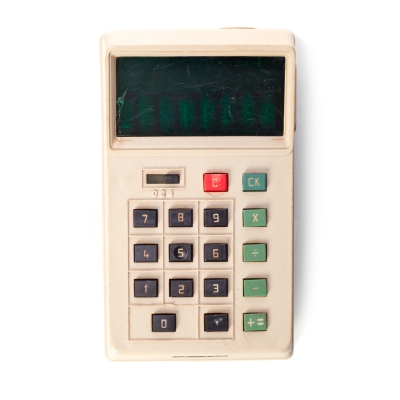 Электроника Б3-08 Нововоронежский завод "Алиот" |
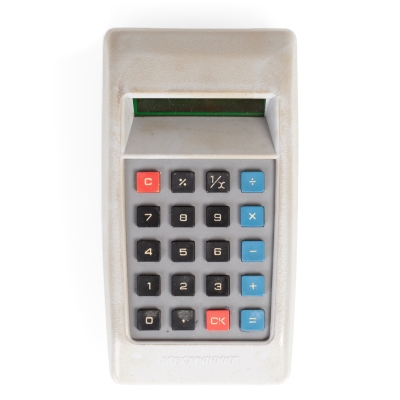 Электроника Б3-09М |
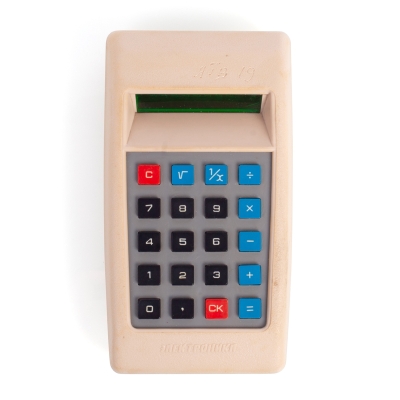 Электроника Б3-14М |
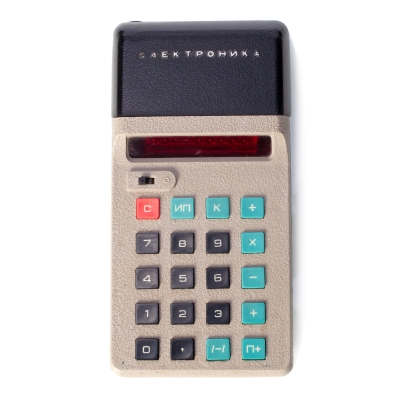 Электроника Б3-24 Фрязинский завод полупроводниковых приборов |
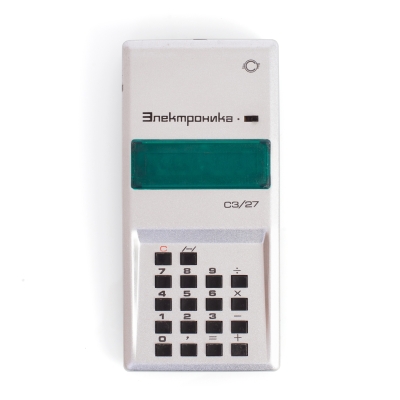 Электроника С3-27 Ленинградский завод "Светлана" |
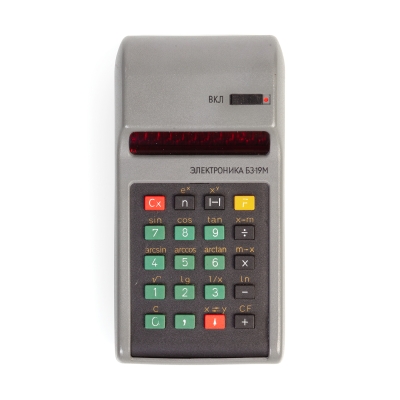 Электроника Б3-19М Светловодский завод "Калькулятор" |
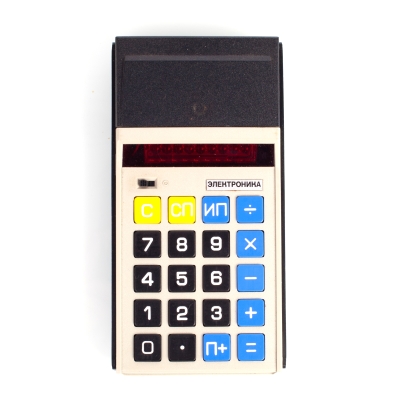 Электроника Б3-24Г Фрязинский завод полупроводниковых приборов |
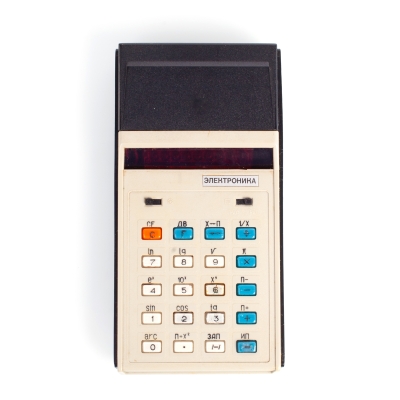 Электроника Б3-37 Ульяновский завод "Искра" |
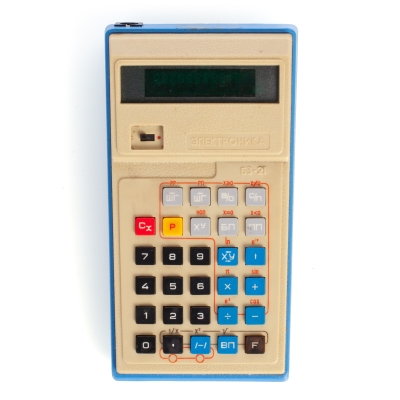 Электроника Б3-21 Абонементный ящик № 7 |
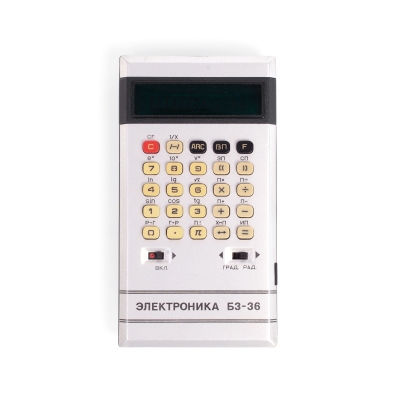 Электроника Б3-36 Абонентный ящик 123 (завод «Ангстрем») |
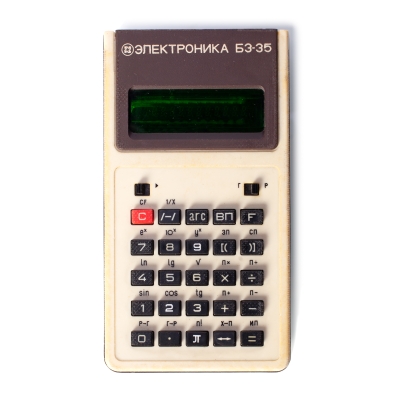 Электроника Б3-35 Нововоронежский завод "Алиот" |
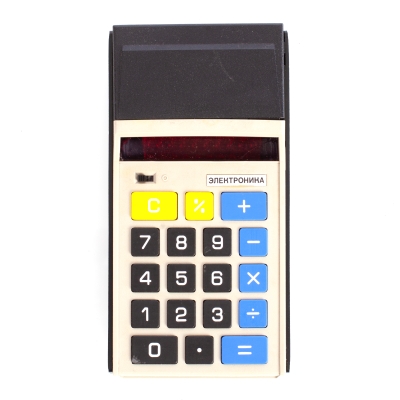 Электроника Б3-23 Ульяновский завод "Искра" |
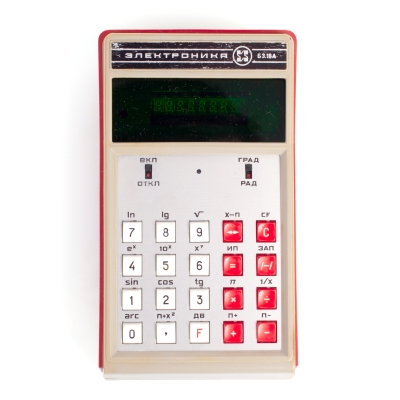 Электроника Б3-18А Нововоронежский завод "Алиот" |
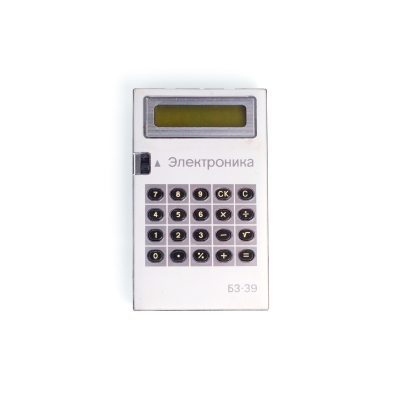 Электроника Б3-39 Абонентный ящик 123 (завод «Ангстрем») |
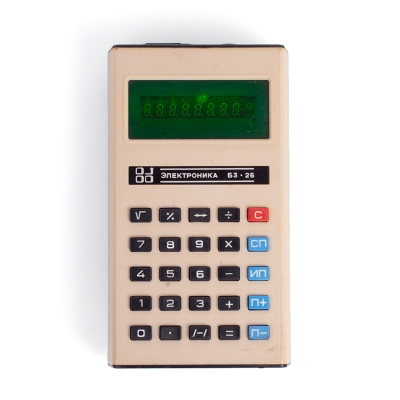 Электроника Б3-26 Кировабадский завод "Биллур" |
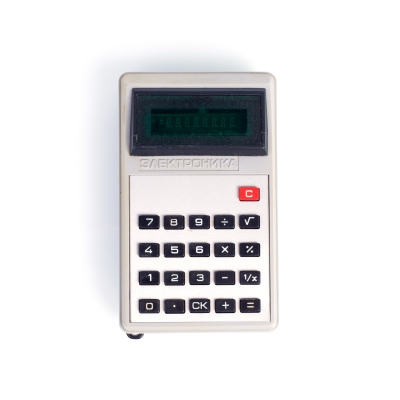 Электроника Б3-14 Светловодский завод "Калькулятор" |
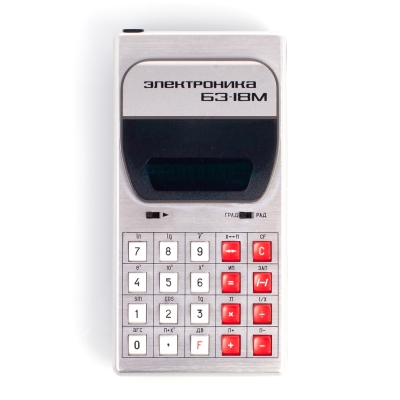 Электроника Б3-18М Кировабадский завод "Биллур" |
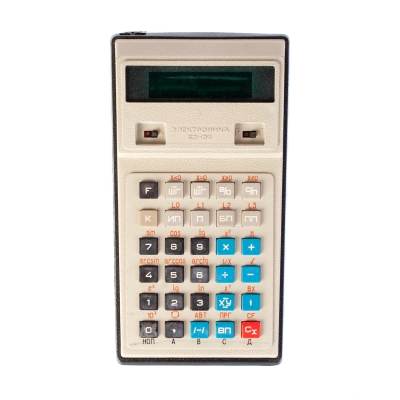 Электроника Б3-34 Светловодский завод "Калькулятор" |
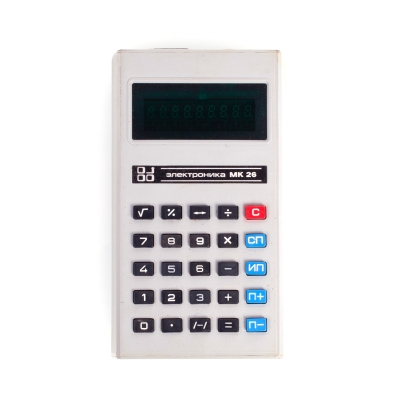 Электроника МК 26 Кировабадский завод "Биллур" |
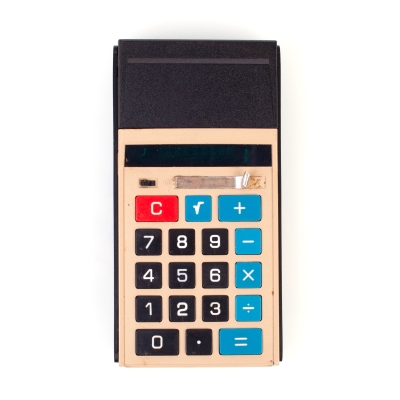 Электроника МК 23А Ульяновский завод "Искра" |
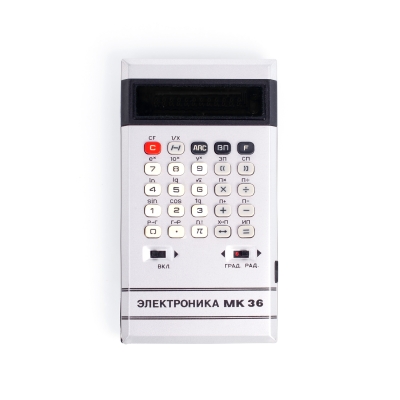 Электроника МК 36 Абонентный ящик 123 (завод «Ангстрем») |
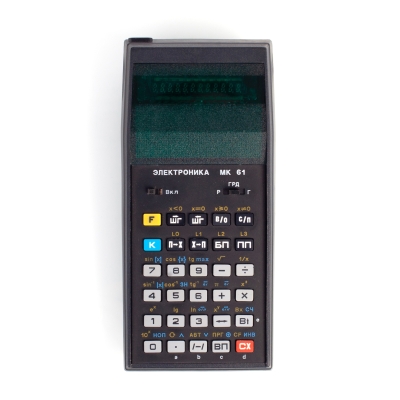 Электроника МК 61 Збаражский завод "Квантор" |
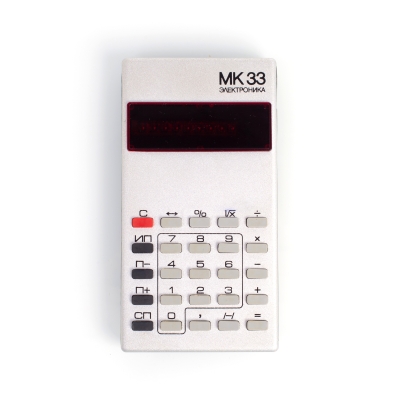 Электроника МК 33 Ленинградский завод "Светлана" |
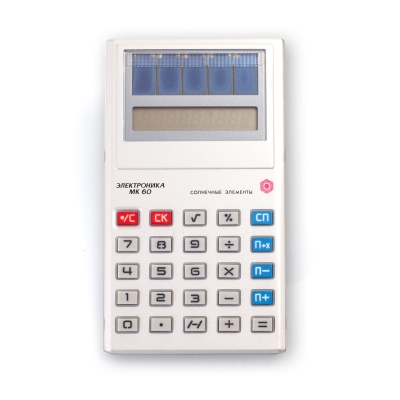 Электроника МК 60 Абонентный ящик 123 (завод «Ангстрем») |
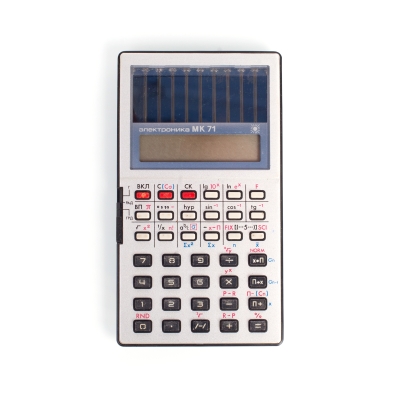 Электроника МК 71 Абонентный ящик 123 (завод «Ангстрем») |
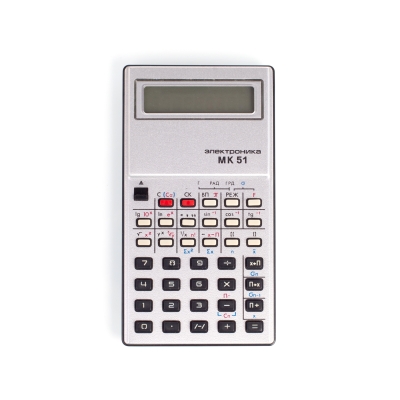 Электроника МК 51 Абонентный ящик 123 (завод «Ангстрем») |
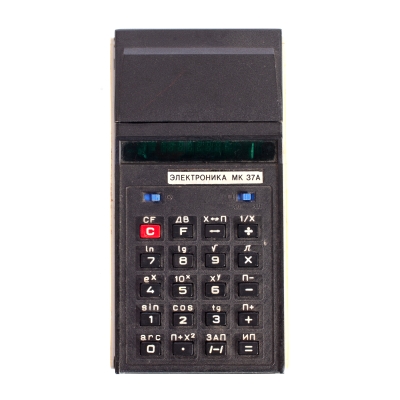 Электроника МК 37А Ульяновский завод "Искра" |
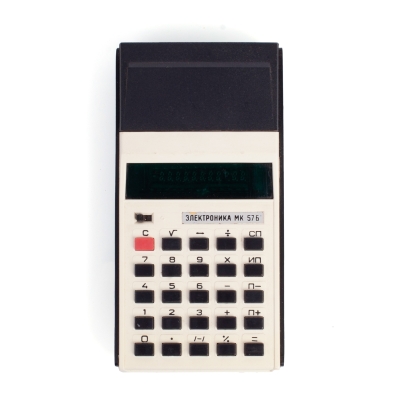 Электроника МК 57Б Ульяновский завод "Искра" |